Wednesday, 10 July 2013

Mehndi Designs 2013 Pics Pictures Images Photos

Mehndi Designs Biography
source(google.com.pk)


For centuries, mehndi — the art of henna painting on the body — has been practiced in India, Africa, and the Middle East, where the henna plant is believed to bring love and good fortune, and to protect against evil. Mehndi is traditionally practiced for wedding ceremonies, during important rites of passage, and in times of joyous celebration. A paste made from the crushed leaves of the henna plant is applied to the skin, and when removed several hours later, leaves beautiful markings on the skin that fade naturally over 1 to 3 weeks.
 Besides being the key ingredient in mehndi, henna has also been used to dye the manes and hooves of horses, and to color wool, silk, and animal skins, as well as men's beards. Studies of mummies dating back to 1200 BC show that henna was used on the hair and nails of the pharaohs.
 Until the art of mehndi became hot news in 1996, henna was mostly used in the United States as a hair dye. Widely recognized now as a wonderful way to dye the skin and to achieve the look of a tattoo, traditional henna uses and application processes have gone contemporary. Although some will always prepare their own henna paste, mehndi kits of varying quality, with foolproof instructions and convenient stencils, can be purchased in many retail and online outlets (including this Web site).
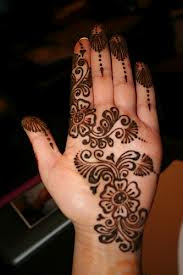
Mehndi Designs 2013 Pics Pictures Images Photos
 Mehndi Designs 2013 Pics Pictures Images Photos
 Mehndi Designs 2013 Pics Pictures Images Photos
Mehndi Designs 2013 Pics Pictures Images Photos
 Mehndi Designs 2013 Pics Pictures Images Photos
 Mehndi Designs 2013 Pics Pictures Images Photos
Mehndi Designs 2013 Pics Pictures Images Photos
 Mehndi Designs 2013 Pics Pictures Images Photos
 Mehndi Designs 2013 Pics Pictures Images Photos
 Mehndi Designs 2013 Pics Pictures Images Photos

Mehndi On Eid 2013 Pics Pictures Images Photos

Mehndi On Eid Biography
source(google.com.pk)

For centuries, mehndi — the art of henna painting on the body — has been practiced in India, Africa, and the Middle East, where the henna plant is believed to bring love and good fortune, and to protect against evil. Mehndi is traditionally practiced for wedding ceremonies, during important rites of passage, and in times of joyous celebration. A paste made from the crushed leaves of the henna plant is applied to the skin, and when removed several hours later, leaves beautiful markings on the skin that fade naturally over 1 to 3 weeks.
 Besides being the key ingredient in mehndi, henna has also been used to dye the manes and hooves of horses, and to color wool, silk, and animal skins, as well as men's beards. Studies of mummies dating back to 1200 BC show that henna was used on the hair and nails of the pharaohs.
 Until the art of mehndi became hot news in 1996, henna was mostly used in the United States as a hair dye. Widely recognized now as a wonderful way to dye the skin and to achieve the look of a tattoo, traditional henna uses and application processes have gone contemporary. Although some will always prepare their own henna paste, mehndi kits of varying quality, with foolproof instructions and convenient stencils, can be purchased in many retail and online outlets (including this Web site).

Mehndi On Eid 2013 Pics Pictures Images Photos
 Mehndi On Eid 2013 Pics Pictures Images Photos
 Mehndi On Eid 2013 Pics Pictures Images Photos
 Mehndi On Eid 2013 Pics Pictures Images Photos
 Mehndi On Eid 2013 Pics Pictures Images Photos
Mehndi On Eid 2013 Pics Pictures Images Photos
 Mehndi On Eid 2013 Pics Pictures Images Photos
 Mehndi On Eid 2013 Pics Pictures Images Photos
Mehndi On Eid 2013 Pics Pictures Images Photos

Eid Designs 2013 Pics Pictures Images Photos

Eid Designs Biography
source(google.com.pk)


Besides being the key ingredient in mehndi, henna has also been used to dye the manes and hooves of horses;  to color wool, silk, and animal skins; and to color men’s beards. Studies of mummies dating back to 1200 BC show that henna was used on the hair and nails of the pharaohs. When the henna plant’s cooling properties were discovered it became very common for the desert people in India to paint their skin and cool down their body temperatures.
The intricate designs that are common today emerged only in the 20th century. Mehndi was used in the U.S. as a hair dye until it became popular back in 1996. Traditional henna uses and applications have been replaced with contemporary designs and especially Arabic mehndi. Even though a few people still prepare their own mehndi, mehndi kits and cones have become very popular. Cones have made the application process faster and easier. Convenient stencils are also widely popular. Mehndi, once sacred, has now become misused and applied all over the body, especially by Westerners. The West sees mehndi as a temporary “tattoo.” However, most of the world has given up traditional designs for the more contemporary Arabic styles, leaving traditional mehndi only for brides. Luckily, there are still few who keep this traditional method alive.
Eid Designs 2013 Pics Pictures Images Photos.
 Eid Designs 2013 Pics Pictures Images Photos.
 Eid Designs 2013 Pics Pictures Images Photos.
 Eid Designs 2013 Pics Pictures Images Photos.
 Eid Designs 2013 Pics Pictures Images Photos.
Eid Designs 2013 Pics Pictures Images Photos.
 Eid Designs 2013 Pics Pictures Images Photos.
 Eid Designs 2013 Pics Pictures Images Photos.
Eid Designs 2013 Pics Pictures Images Photos.
 Eid Designs 2013 Pics Pictures Images Photos.

Mehndi Design For Eid 2013 Pics Pictures Images Photos

Mehndi Design For Eid Biography
source(google.com.pk)


Besides being the key ingredient in mehndi, henna has also been used to dye the manes and hooves of horses;  to color wool, silk, and animal skins; and to color men’s beards. Studies of mummies dating back to 1200 BC show that henna was used on the hair and nails of the pharaohs. When the henna plant’s cooling properties were discovered it became very common for the desert people in India to paint their skin and cool down their body temperatures.
The intricate designs that are common today emerged only in the 20th century. Mehndi was used in the U.S. as a hair dye until it became popular back in 1996. Traditional henna uses and applications have been replaced with contemporary designs and especially Arabic mehndi. Even though a few people still prepare their own mehndi, mehndi kits and cones have become very popular. Cones have made the application process faster and easier. Convenient stencils are also widely popular. Mehndi, once sacred, has now become misused and applied all over the body, especially by Westerners. The West sees mehndi as a temporary “tattoo.” However, most of the world has given up traditional designs for the more contemporary Arabic styles, leaving traditional mehndi only for brides. Luckily, there are still few who keep this traditional method alive.

Mehndi Design For Eid 2013 Pics Pictures Images Photos
 Mehndi Design For Eid 2013 Pics Pictures Images Photos
 Mehndi Design For Eid 2013 Pics Pictures Images Photos
 Mehndi Design For Eid 2013 Pics Pictures Images Photos
 Mehndi Design For Eid 2013 Pics Pictures Images Photos
 Mehndi Design For Eid 2013 Pics Pictures Images Photos
 Mehndi Design For Eid 2013 Pics Pictures Images Photos
 Mehndi Design For Eid 2013 Pics Pictures Images Photos
 Mehndi Design For Eid 2013 Pics Pictures Images Photos
Mehndi Design For Eid 2013 Pics Pictures Images Photos

Mehndi Designs Eid 2013 Pics Pictures Images Photos

Mehndi Designs Eid Biography
source(google.com.pk)


Mehndi, or henna, has a long and ancient history. It’s been around for thousands of years. Mehndi was introduced to India in the 12th century, by the Mughals. At first, it was only used by the rich and ruling families. Eventually, it was liked and used by everyone. As more people started using mehndi, the recipes and patterns became more refined. In 13th and 14th century Persian art women and dancers were displayed with henna painted hands. Arabian countries used mehndi for its cooling properties. Muslims used mehndi since the beginning of Islam. Even Prophet Muhammad colored his bear and hair with mehndi. Egyptians used mehndi to dye the hair and fingernails of their dead, over 5000 years ago.
It is difficult to track the history and origins of mehndi because of centuries of migration and cultural interaction. Even though it is difficult to determine where the traditions began, there is some historical evidence claiming that it originated in ancient India as a ceremonial form of art. The most commonly believed tale is that mehndi was introduced to India by the Mughals. It has been used for at least 5000 years for its cosmetic and healing properties. Documentation proves that the ancient Egyptians stained the fingers and toes of their Pharoahs prior to mummification. Mehndi application methods and designs became more sophisticated as its uses spread. In 17th century India, the barber’s wife usually applied henna on women. Most women from that time, in India, are depicted with their hands and feet adorned with henna, regardless of their social class and marital status.
Mehndi Designs Eid 2013 Pics Pictures Images Photos
 Mehndi Designs Eid 2013 Pics Pictures Images Photos
 Mehndi Designs Eid 2013 Pics Pictures Images Photos
 Mehndi Designs Eid 2013 Pics Pictures Images Photos
 Mehndi Designs Eid 2013 Pics Pictures Images Photos
 Mehndi Designs Eid 2013 Pics Pictures Images Photos
 Mehndi Designs Eid 2013 Pics Pictures Images Photos
 Mehndi Designs Eid 2013 Pics Pictures Images Photos
 Mehndi Designs Eid 2013 Pics Pictures Images Photos

Mehndi Designs For Eid 2013 Pics Pictures Images Photos

Mehndi Designs For Eid Biography
source(google.com.pk)


The history and origin of henna is hard to track, with centuries of migration and cultural interaction it's difficult to determine where particular traditions began. There is some historical evidence that henna originated in ancient India as a ceremonial art form. Others believe that Henna was introduced to India in the 12th century. It's been used for at least 5000 years as a cosmetic and for it's natural healing properties. There's also documentation that henna was used in ancient Egypt to stain the fingers and toes of the Pharaohs prior to mummification.

The art form of applying henna (known as mehndi) varies from region to region, this ancient practice has spanned many cultures and traditions. Like all symbols, the varying designs often mean different things to different cultures. It's thus possible to recognize distinctions in cultural style. Arabic designs are generally large, floral patterns on the hands and feet. Whereas Indians (from India) traditionally use fine thin lines for lacy, floral, and paisley patterns which cover their entire hands, forearms, feet and shins; interestingly this is often performed as part of a pre marriage ritual.

Africans and Native/South American Indians tend to prefer bold, large geometric designs done in black. Africans have been known to apply a paste of ashes, ammonia compounds, and other corrosives to get the henna stain from orange to black. This can be poisonous and is NOT a recommended procedure for anyone but a highly trained/experienced professional, severe reactions may result and there've even been reports of deaths. I can only speculate the reason they'd go to such risky lengths is that the natural color of henna (dark brown to dark orange), does not show up well on the dark skin.
Mehndi Designs For Eid 2013 Pics Pictures Images Photos
 Mehndi Designs For Eid 2013 Pics Pictures Images Photos
 Mehndi Designs For Eid 2013 Pics Pictures Images Photos
 Mehndi Designs For Eid 2013 Pics Pictures Images Photos
 Mehndi Designs For Eid 2013 Pics Pictures Images Photos 
 Mehndi Designs For Eid 2013 Pics Pictures Images Photos
 Mehndi Designs For Eid 2013 Pics Pictures Images Photos
 Mehndi Designs For Eid 2013 Pics Pictures Images Photos
 Mehndi Designs For Eid 2013 Pics Pictures Images Photos